Free Consultations 630-407-1225

Category - Uncategorized

Preparing for a Child Custody Evaluation

Posted on April 16, 2015 in Uncategorized
TwitterFacebookLinkedIn

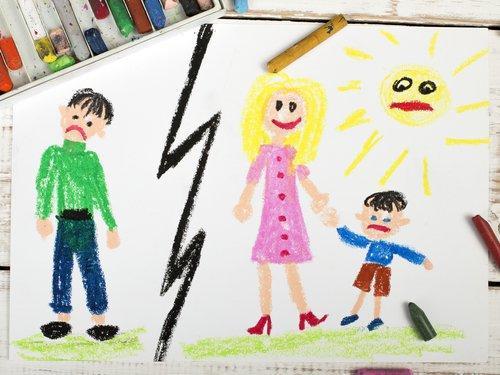
Illinois divorce attorney, Illinois family lawyer, non-custodial, parental rights, shared parenting,Child custody struggles are often high stakes, emotional legal proceedings, and judges understand this. While judges see these sorts of disputes often, they are generalists and not necessarily experts on family dynamics and child development. Consequently, they may choose to order something known as a 604(b) evaluation, named for the portion of the Illinois Marriage and Dissolution of Marriage Act that allows it. These 604(b) evaluations involve an expert, usually someone like a psychologist or social worker, sitting down with the family members and conducting interviews to make a recommendation about child custody.

How Evaluations Work

These child custody evaluations are done by a neutral third party whose goal is to offer an opinion on the best custody structure for the children. The examiner will almost certainly conduct at least one interview with the child as well as with each parent, although there is the potential for the process to be considerably longer. The examiner may also choose to interview other adults that the child or family interacts with to get a fuller picture of the family dynamics. Finally, the examiner may also look over documents that are important to the custody determination.

Importantly, the evaluator's recommendation is just that, a recommendation. The evaluator is not a judge, and does not have the authority to make binding legal decisions. However, the recommendation may carry significant weight with the judge because it is being made by a neutral expert. Consequently, parents who are about to go through a child custody evaluation should be sure to understand how to have the best evaluation that they can. Tips for a Good Evaluation

There are many different things parents can do to involve the quality of their evaluation. One of the most important is to make a good first impression on the evaluator: be ready and on time for the interview, be polite, and be prepared with any necessary documents. Another important tip for a good evaluation is to be honest. The evaluation can be quite thorough, so dishonesty or exaggeration stands a good chance of being uncovered. This can damage a parent's credibility with the evaluator, and call other statements of theirs into question.

...

Bifurcated Judgments and Divorce

Posted on October 06, 2014 in Uncategorized
TwitterFacebookLinkedIn

marital negotiations, Illinois divorce attorney, divorce trial, Ordinarily, divorce proceedings are handled in a single hearing. This means that there is a single proceeding in which the court both enters an official judgment dissolving the marriage and settles issues like property division and child custody. However, there are certain circumstances under which the court can hold two separate hearings, one to dissolve the marriage officially and another to settle the practical issues like property division. These sorts of proceedings, known officially as bifurcated judgments, are allowed under Illinois family law 750 ILCS 5/401(b). Yet, the law only allows for these sorts of split judgments under a limited set of circumstances, and even when they are allowed, they come with a set of pros and cons that need to be weighed.

When Bifurcated Judgments Are Available

Illinois statutory law allows for bifurcated judgments under “appropriate circumstances.” This vague standard has left it largely to the courts to determine when such circumstances exist. Courts have been creating non-exhaustive lists ever since. Generally speaking, the circumstances are appropriate whenever one of the parties has an interest in terminating the marriage in a timely manner and it does not unduly prejudice the other spouse. For instance, there was a divorce case in which a woman was dying of disease, and was not expected to live long enough to make it through a conventional divorce. She was allowed a bifurcated judgment for estate planning purposes. In another case, a married woman was seeking a divorce so that she could marry another man. She was already pregnant with the other man's child, and sought the bifurcated divorce so that she could marry him quickly. The court allowed this because the other man was better able to provide for her and the child's medical care. These are just some of the many examples of circumstances where courts may consider using a bifurcated judgment.

...

Welcome to Our DuPage County Family Law Blog

Posted on August 03, 2011 in Uncategorized
TwitterFacebookLinkedIn

Things change rapidly in the legal world. Every day, the Illinois state legislature and judges make hundreds of decisions that impact the way cases are prepared and presented for court. At the Andrew Cores Family Law Group, we know how important it is to stay current with legal issues. We follow the legal stories that will have an impact on the best strategies to use while protecting your rights in family law and divorce cases, business and corporate law, and estate planning and probate.

Keeping you informed about the legal process will help you make better decisions about your own family law, business or probate case. This Blog page is intended to serve as a forum for discussing case law and relevant court decisions. Periodically, this page will be updated with new information and topics for discussion, so please return often to see the most current post and comments.

Our firm has always emphasized personalized attention and responsiveness to client concerns. We are interested in your input, so please send us your comments. Thank you for visiting. To make an appointment with one of our experienced attorneys, please call 630-407-1225 or contact us online.

Back to Top